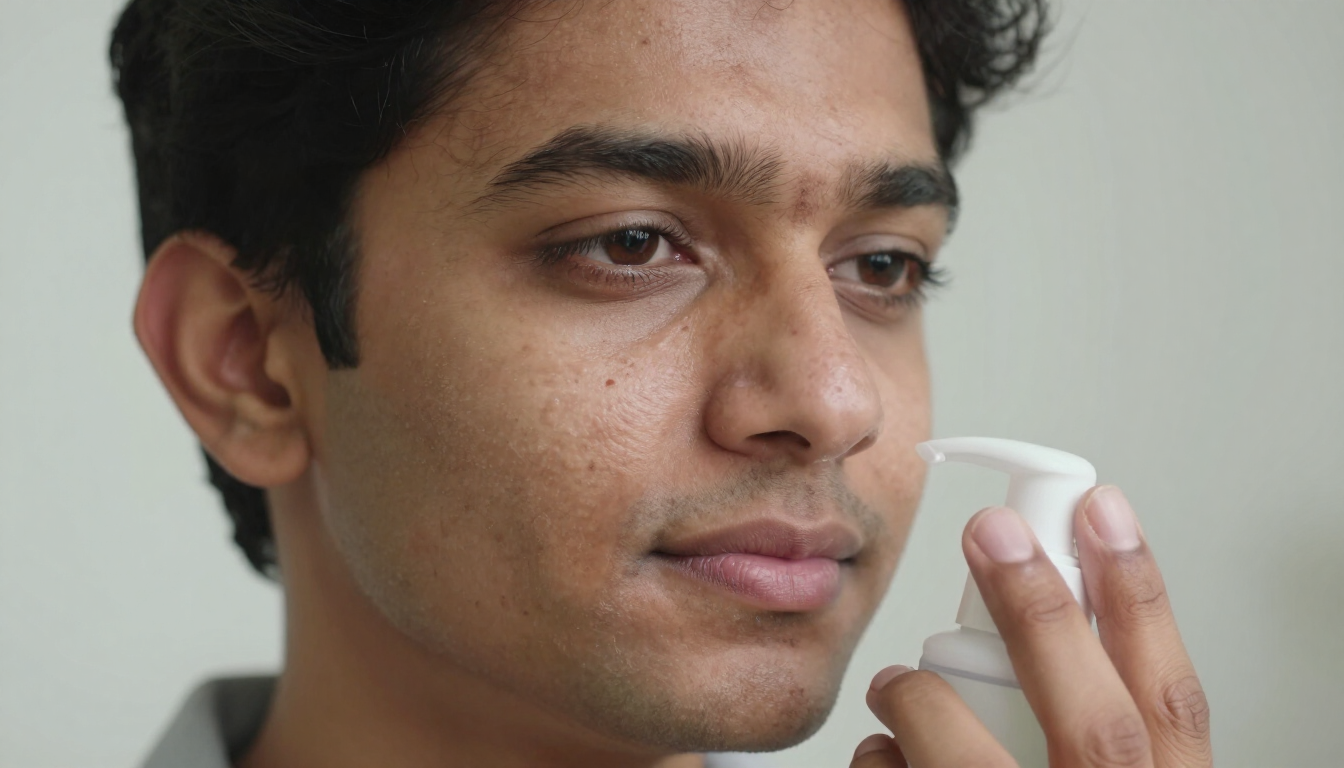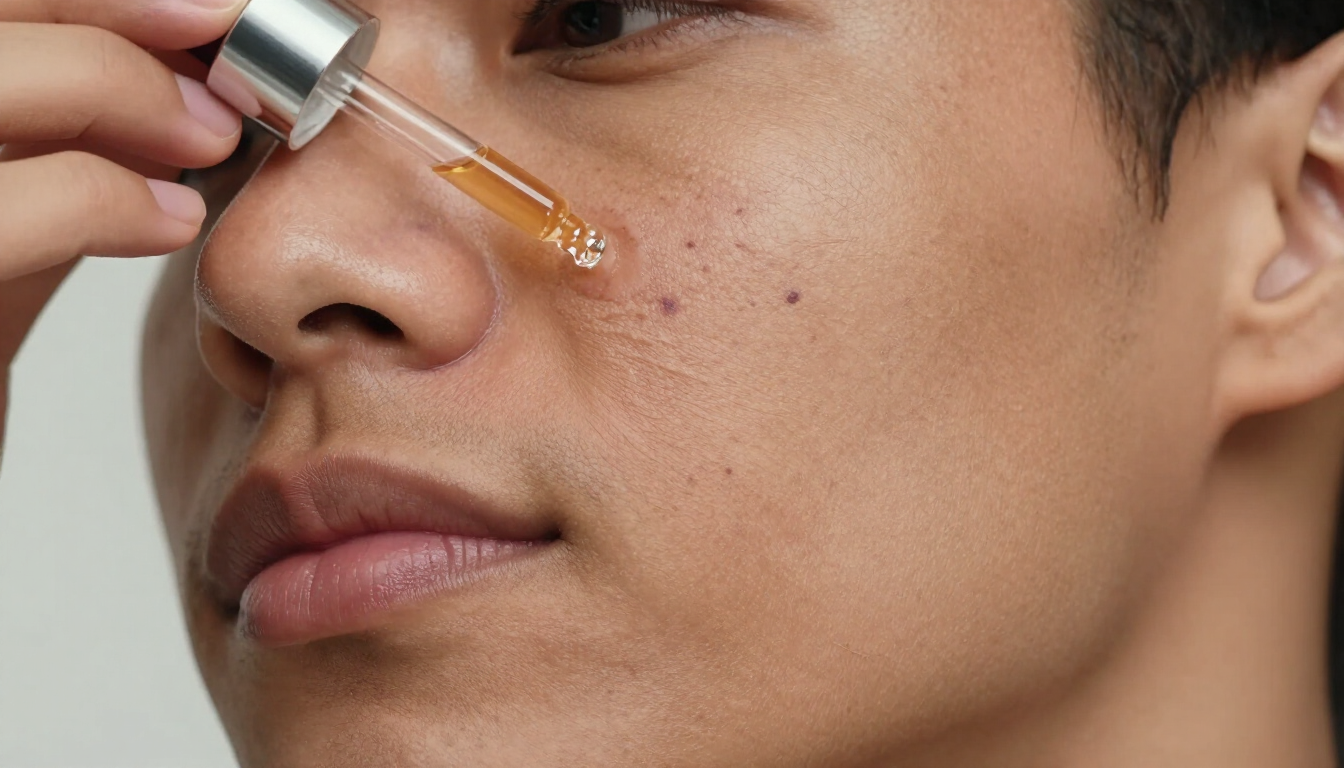
After a breakout clears, it often leaves a flat brown, red or pink mark — a post-acne mark, also called post-inflammatory hyperpigmentation. These are different from true acne scars, which change the skin texture.
Dark spots vs scars
If the skin is flat and only the colour has changed, it is a mark (pigmentation) and will fade. If the skin is indented or raised, it is a scar and needs dermatologist-led treatment. This guide focuses on flat marks.
What causes post-acne marks
Inflammation from acne triggers excess melanin in that spot. Sun exposure deepens the colour, which is why marks linger in sunny climates. Read our hyperpigmentation guide for the full science.
Ingredients that help
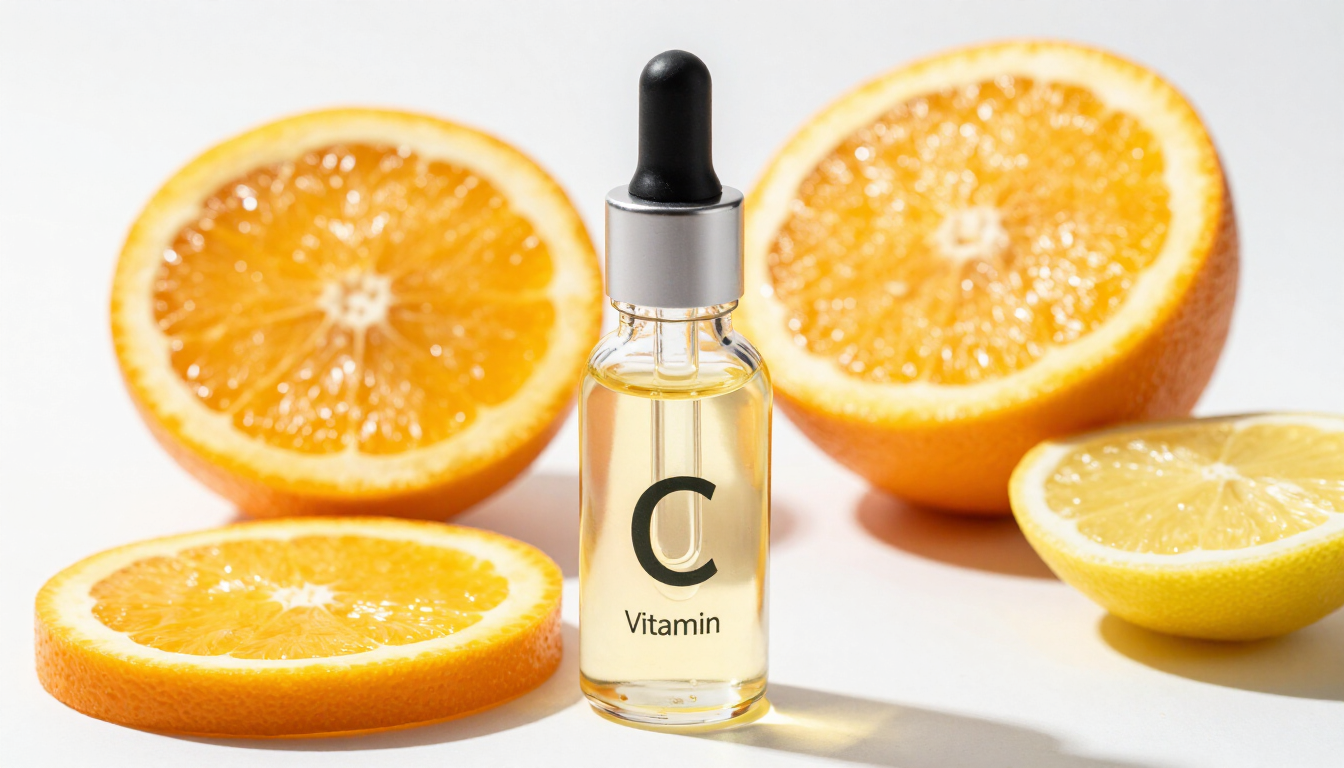
- Vitamin C: brightens and evens tone — see the vitamin C guide.
- Niacinamide: reduces the appearance of dark spots — read niacinamide guide.
- Alpha arbutin: targets melanin production.
- Retinoids: speed cell turnover — see retinol for beginners.
Explore face serums for dark spots & scars.
Why sunscreen is essential
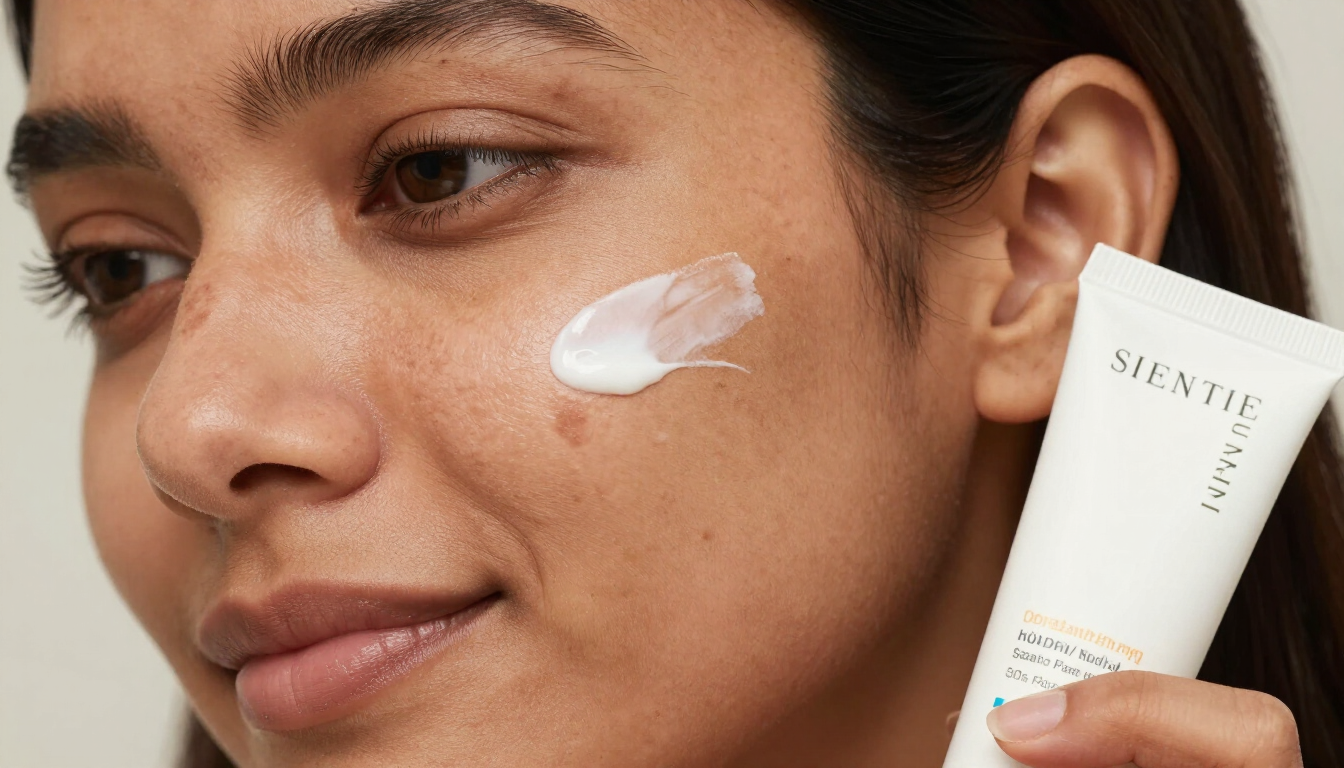
Sunscreen is the single most important step. UV rays stimulate melanin, so without protection any brightening product is fighting a losing battle. Use a broad-spectrum SPF 30+ daily from our sunscreen collection.
Realistic expectations
Post-acne marks fade gradually — often over 1–3 months for surface marks, longer for deeper pigmentation. Be consistent, avoid picking (which creates new marks), and protect daily. For stubborn or widespread pigmentation, a dermatologist can offer stronger options.