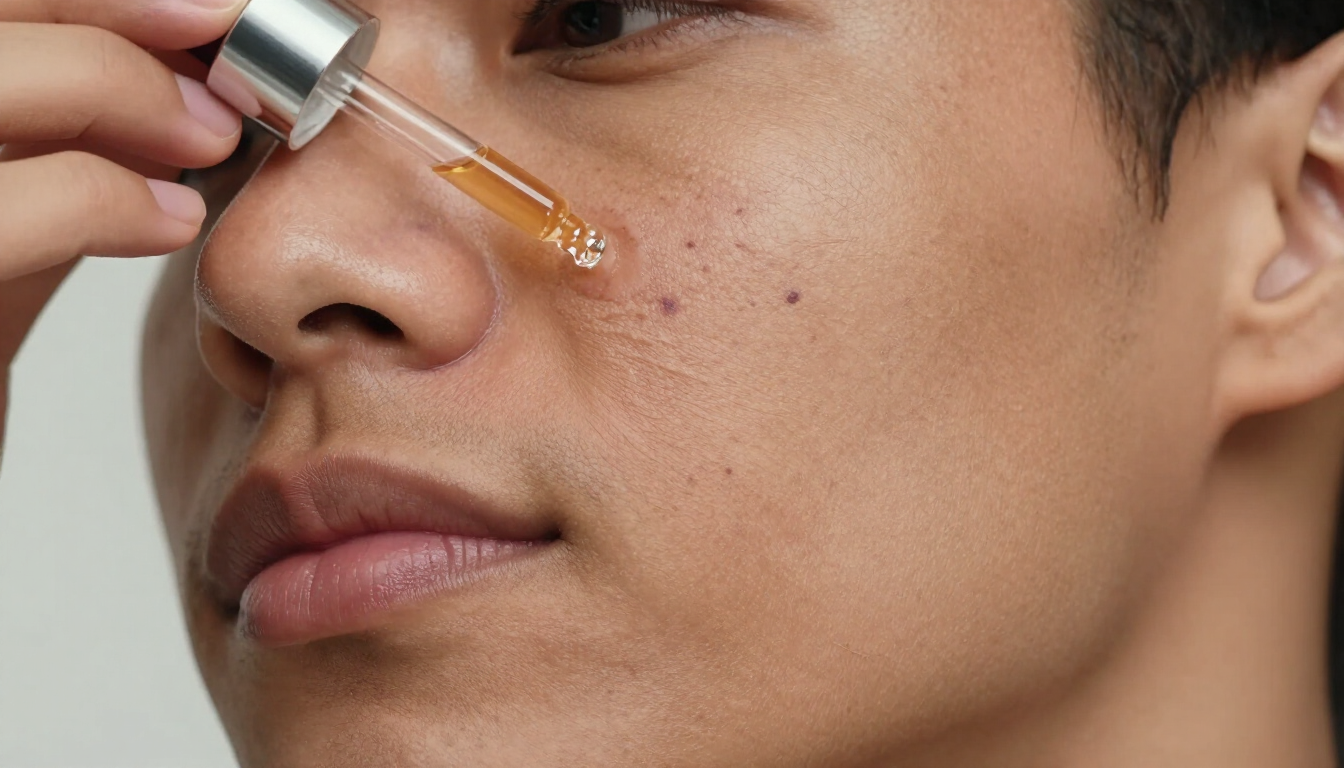
Uneven facial pigmentation with brightening serum and sunscreen
Skin Concerns

Hyperpigmentation: Causes, Prevention & Skincare Solutions

Dr. Priya Sharma 2026-03-07 8 min read

Updated 2026-03-12

Key Takeaways

  • Hyperpigmentation includes post-acne marks, sun spots and melasma.
  • Sun exposure is the biggest trigger — daily sunscreen is essential.
  • Vitamin C, niacinamide, alpha arbutin and retinoids can help fade it.
  • Melasma may need dermatologist-led treatment; be patient and protect.

Hyperpigmentation simply means patches of skin that are darker than your natural tone, caused by excess melanin. It is common, harmless, and often manageable with a consistent routine and sun protection.

Types of hyperpigmentation

  • Post-inflammatory: after acne, eczema or injury — see our dark spots guide.
  • Sun-induced (solar lentigines): "sun spots" from cumulative UV exposure.
  • Melasma: hormonal patches, often on cheeks and forehead; can be stubborn.

Causes & triggers

Sun exposure, hormones, inflammation and certain medications all increase melanin. In hot, sunny climates (India and the UAE), UV exposure is a major driver. Heat itself can also worsen melasma.

Brightening ingredients

  • Vitamin C — brightens and protects (see guide).
  • Niacinamide — evens tone (see guide).
  • Alpha arbutin — targets melanin production.
  • Retinoids — accelerate turnover (see guide).

Shop serums for dark spots and serums for dullness.

A simple pigmentation routine

AM: gentle cleanser → vitamin C serum → moisturiser → sunscreen SPF 50.

PM: cleanser → niacinamide or retinol (alternate nights) → moisturiser.

Prevention

Daily broad-spectrum sunscreen is non-negotiable — reapply when outdoors. Avoid picking breakouts, and treat acne early to prevent marks. For melasma or widespread pigmentation, see a dermatologist for prescription options.
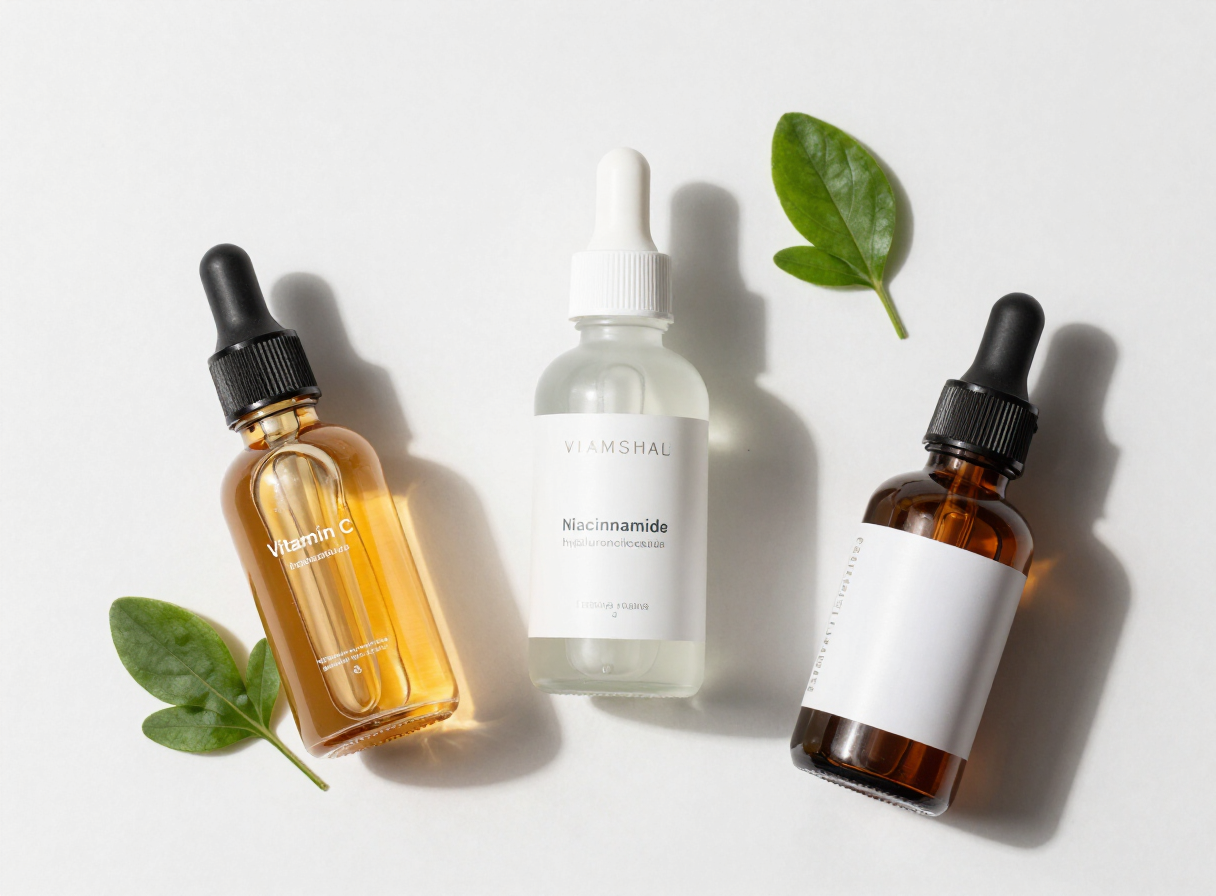

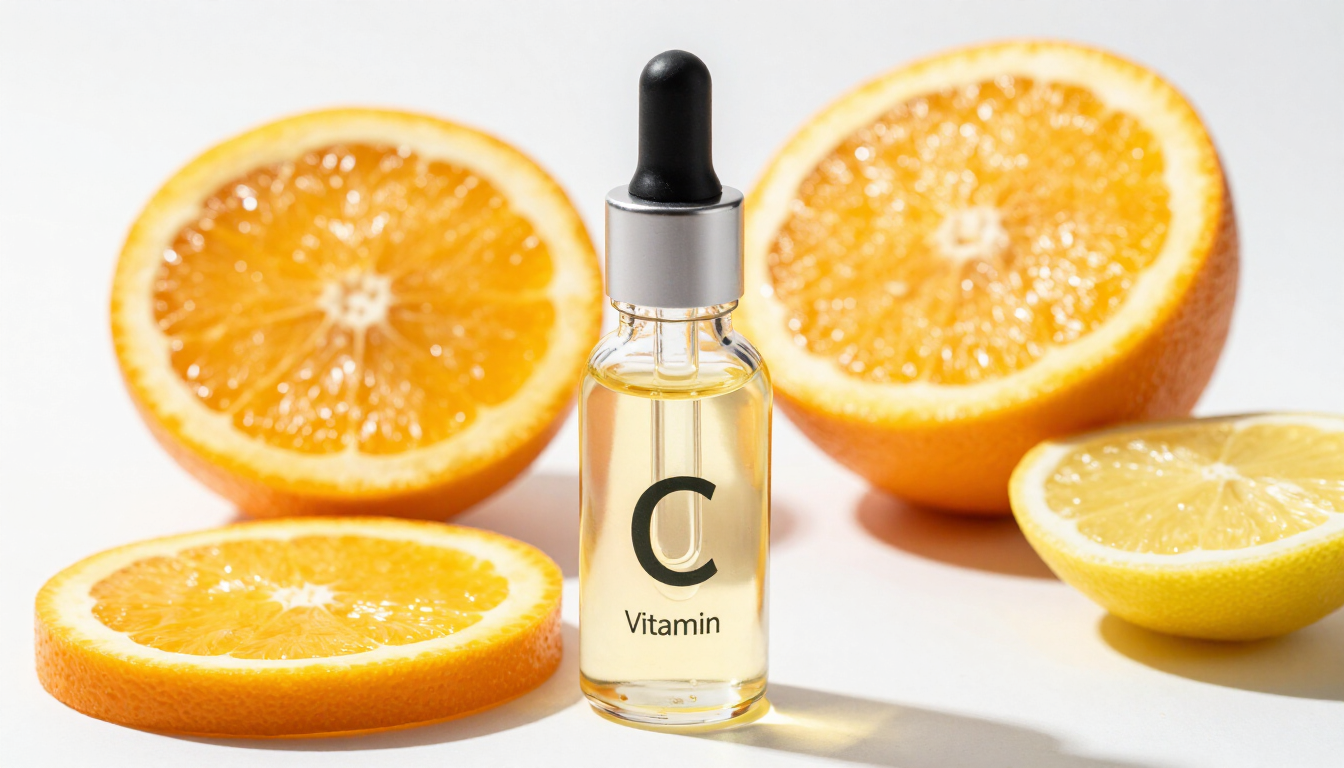
Flat lay of brightening skincare ingredients
Vitamin C, niacinamide and alpha arbutin target pigmentation.
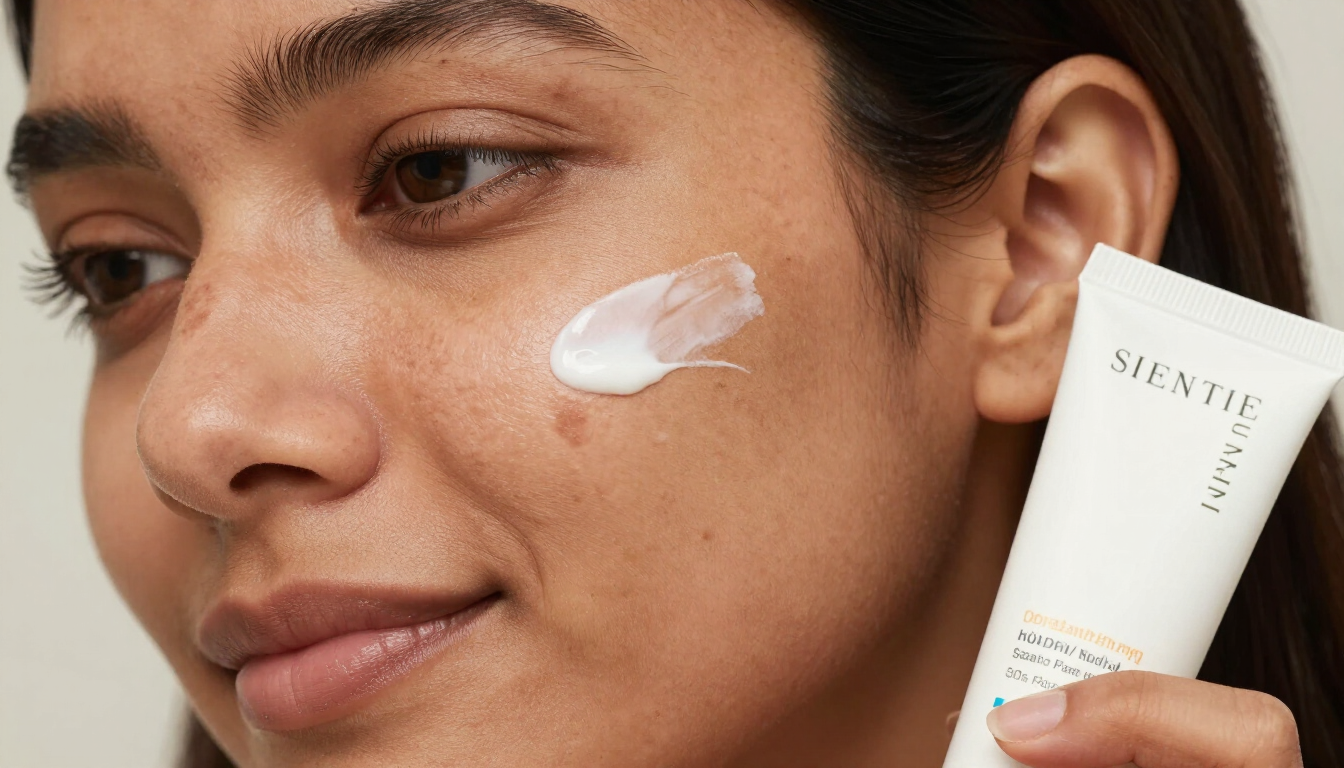
Applying sunscreen to face
Daily sun protection is the foundation of any pigmentation routine.

Frequently Asked Questions

Can hyperpigmentation be cured permanently?
Many forms fade significantly with consistent care and sun protection, but it can return with UV or hormonal triggers. Ongoing protection is key.
Is vitamin C or niacinamide better for pigmentation?
They work differently and can be used together. Vitamin C brightens; niacinamide helps regulate melanin transfer. Many routines use both.
Does melasma need a dermatologist?
Often yes. Melasma can be stubborn and may need prescription brightening agents. Daily sunscreen and gentle OTC actives are a good starting point.

Ready to Build Your Routine?

Shop curated, skin-matched products from GetBeauty.in.

Shop pigmentation skincare