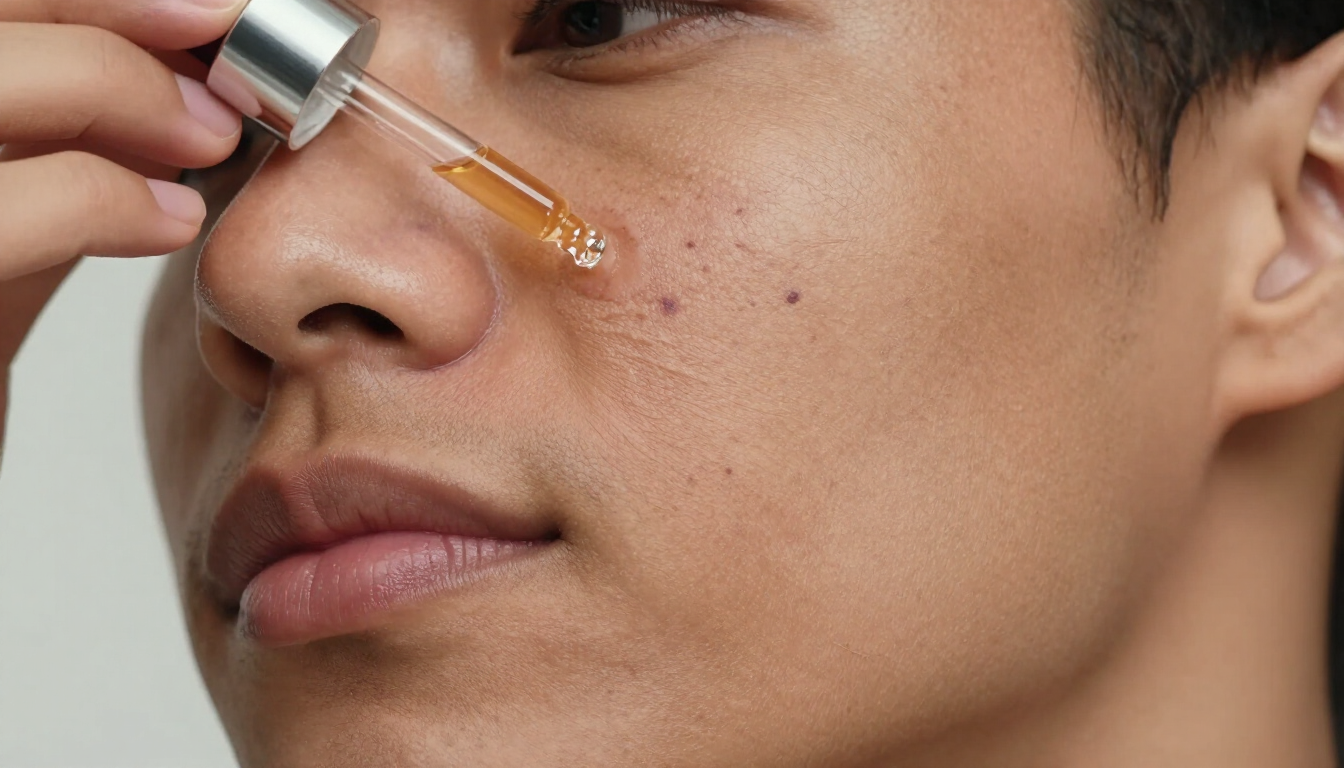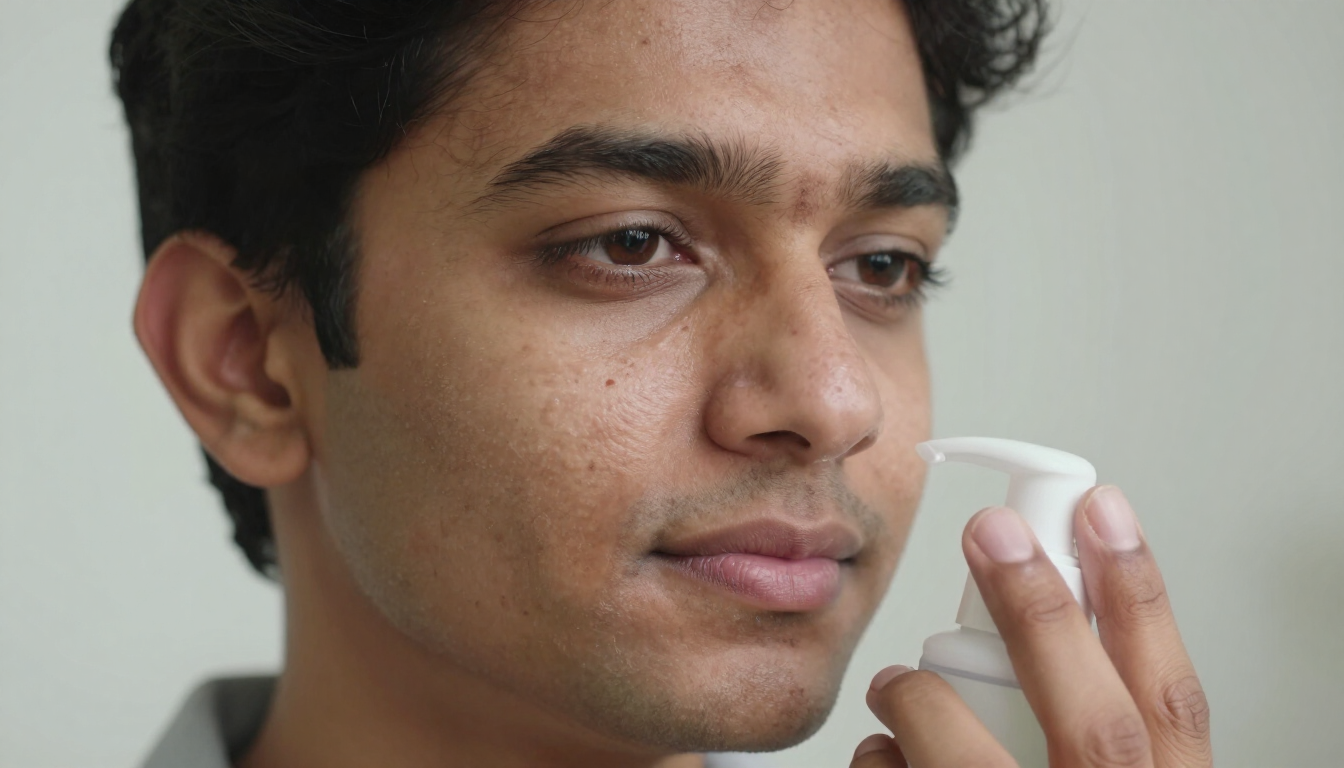
Acne is the most common skin concern, and the good news is that a simple, consistent routine can manage most mild-to-moderate cases. The mistake most people make is going too harsh, too fast — scrubbing, stripping and piling on actives until the skin barrier breaks down.
What causes acne?
Acne happens when a pore becomes clogged with sebum (oil) and dead skin cells. Bacteria called Cutibacterium acnes multiply in that clogged pore, and inflammation follows. Triggers include hormones, stress, certain cosmetics, humidity and genetics. Acne is not caused by dirty skin or poor hygiene.
The AM & PM acne routine
Morning: gentle cleanser → optional antioxidant serum → lightweight, non-comedogenic moisturiser → sunscreen.
Night: cleanser → one acne active (e.g. salicylic acid or niacinamide) → moisturiser. Start actives 2–3 nights a week and build up.
Cleansing the right way
Wash twice a day with a gentle, pH-balanced cleanser. Avoid harsh scrubs and high-foaming sulphate cleansers that strip the barrier — they trigger more oil and irritation. Our face wash for acne-prone skin is a good starting point.
Acne ingredients that help
- Salicylic acid (BHA): oil-soluble, clears inside the pore. See our salicylic acid guide.
- Niacinamide: regulates oil and soothes redness. Read the niacinamide guide.
- Retinoids: speed up cell turnover; start slowly. See retinol for beginners.
Moisturiser & sunscreen
Even oily, acne-prone skin needs moisture — skip it and your skin overproduces oil. Choose a lightweight gel or oil-free moisturiser from our moisturizers for oily & acne-prone skin. Sunscreen prevents the dark marks acne leaves behind; pick a non-greasy formula from sunscreens for oily & acne-prone skin.
Mistakes that worsen acne
- Picking and popping — spreads inflammation and causes scarring.
- Over-exfoliating with multiple acids at once.
- Skippping moisturiser because skin feels oily.
- Using too many new products in the same week.
Learn more in our skincare mistakes guide and the blackheads & whiteheads guide.
When to see a dermatologist
If acne is painful, cystic, scarring or affecting your confidence, see a qualified dermatologist. Prescription options like retinoids, antibiotics or hormonal treatment may be appropriate. This guide supports, but does not replace, professional care.