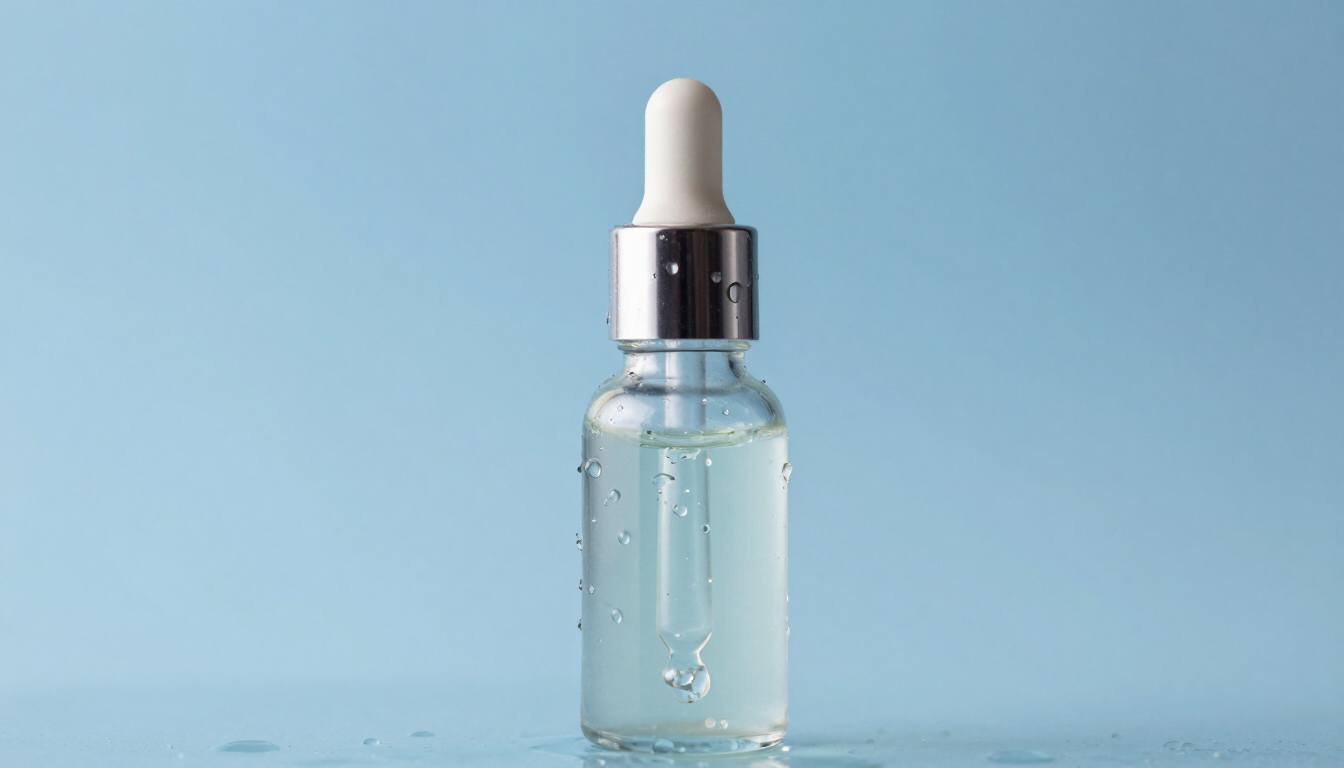
Hyaluronic acid serum in a glass dropper bottle with water droplets
Ingredients

Hyaluronic Acid: How It Hydrates Your Skin

Anjali Mehta 2026-03-15 6 min read

Updated 2026-03-12

Key Takeaways

  • Hyaluronic acid attracts and holds water in the skin.
  • Apply it to damp skin, then seal with moisturiser to prevent evaporation.
  • It suits all skin types, including oily and acne-prone.
  • In very dry climates, use a humidifier to support hydration.

Hyaluronic acid (HA) is a humectant — a molecule that attracts and binds water. It is naturally present in skin and can hold many times its weight in water, making it a go-to for plump, hydrated skin.

How it hydrates

HA draws water into the outer skin layers. Different molecular weights penetrate to different depths. The result is smoother, plumper-looking skin with fewer visible fine lines from dehydration.

How to apply it

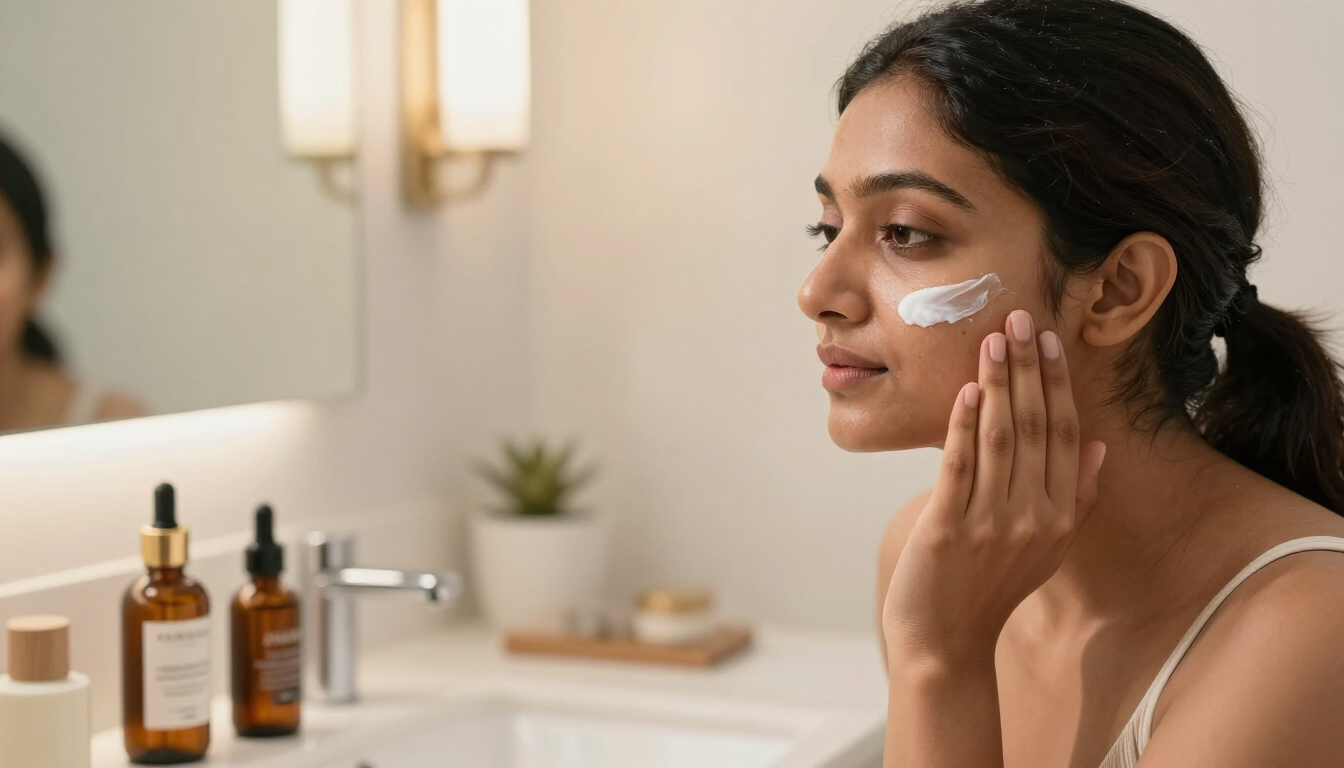
Apply HA serum to slightly damp skin right after cleansing, then immediately follow with moisturiser. Browse hydrating serums.

Why moisturiser matters

HA attracts water but does not seal it in. Without a moisturiser on top — especially in dry climates — it can pull moisture out of your skin and leave it feeling tighter. Always layer a cream or gel over it. See moisturizers.

Skin types it suits

All of them. Oily and acne-prone skin love lightweight HA serums (see oily-skin routine); dry skin benefits from layering it under a rich cream (see dry-skin routine).

Mistakes to avoid

  • Applying to bone-dry skin.
  • Skippping moisturiser on top.
  • Using it in very dry air without a humidifier.

See also our skin barrier guide.
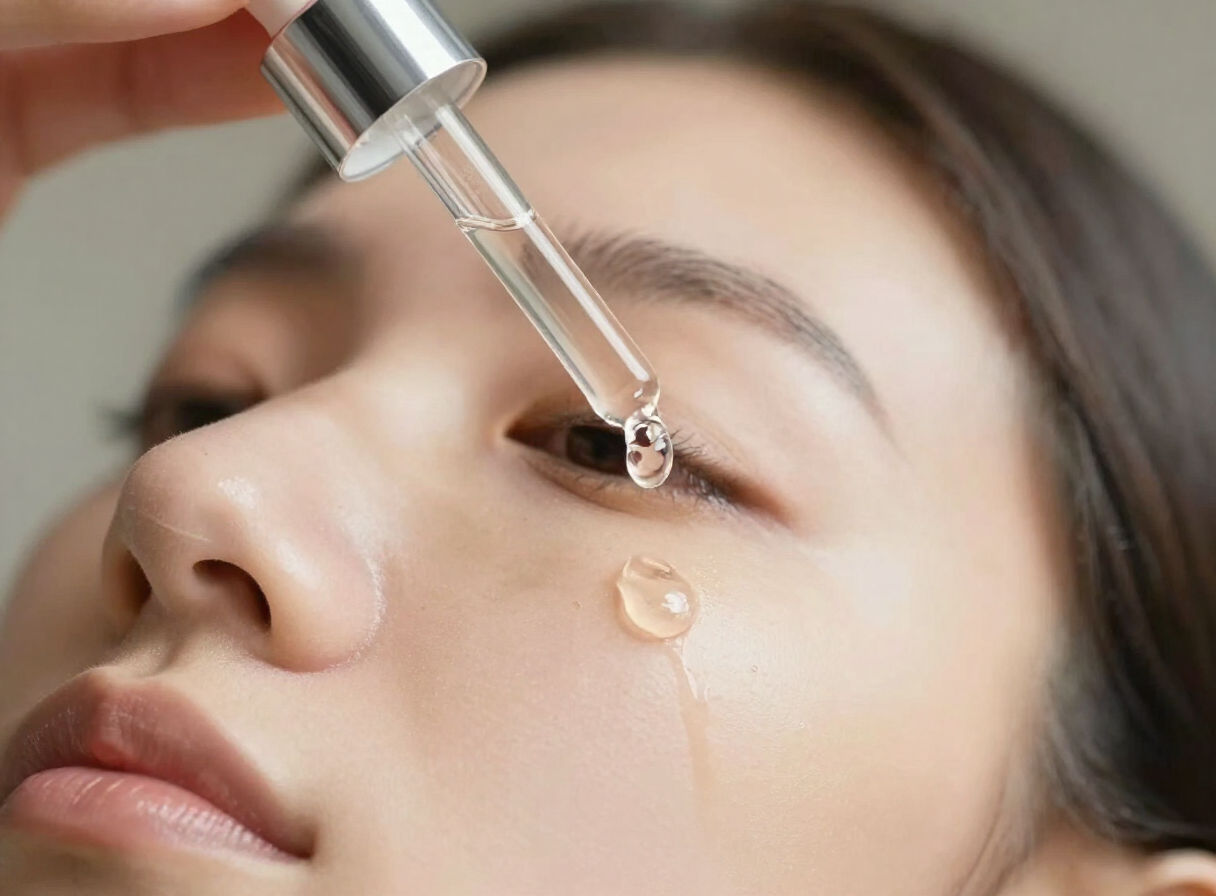
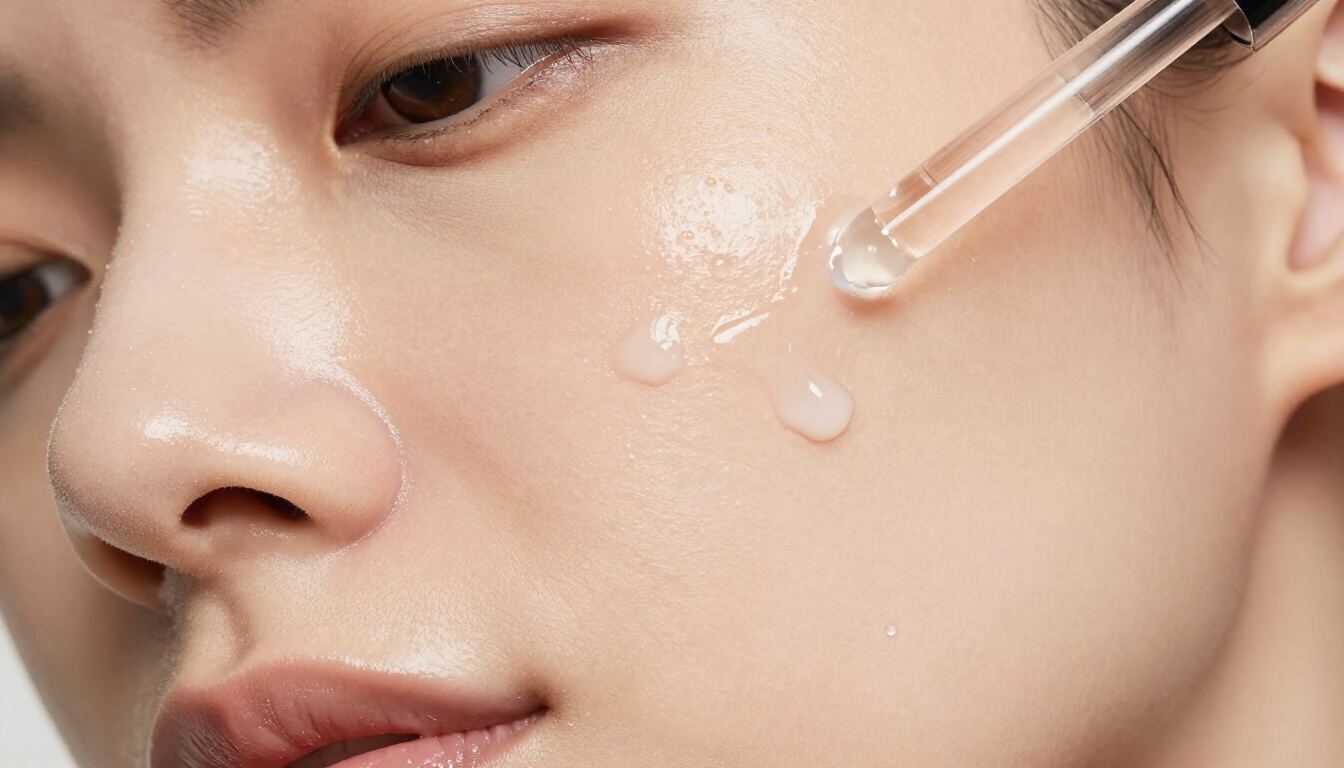
Serum dropper applying hyaluronic acid to skin
Apply hyaluronic acid to damp skin and seal with moisturiser.

Frequently Asked Questions

Can oily skin use hyaluronic acid?
Yes. HA is water-based and lightweight, so it hydrates oily skin without adding oil. Choose a serum or gel formula.
Why does hyaluronic acid make my skin feel drier?
It was likely applied to dry skin without a moisturiser on top. Apply to damp skin and seal with moisturiser.
Can I use hyaluronic acid with retinol or vitamin C?
Yes. HA plays well with almost all actives and can buffer irritation from retinol.

Ready to Build Your Routine?

Shop curated, skin-matched products from GetBeauty.in.

Shop hydrating skincare

Shop Related Categories